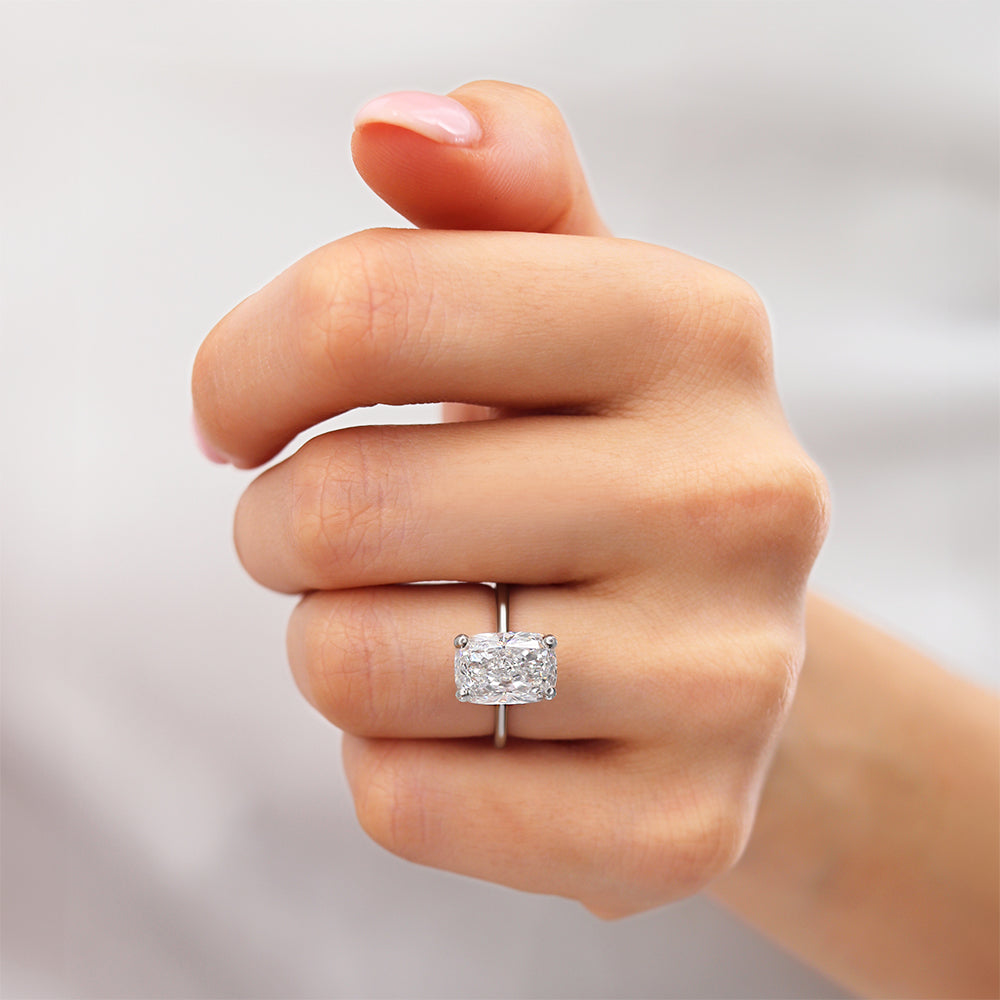
Buying a diamond used to be simple. A buyer would weigh the options for cut, color, clarity, and carat weight. In recent years, however, the customer has another choice: whether to buy a mined diamond or a lab-grown alternative.
Lab grown diamonds CVD offer an appealing alternative for buyers who wish for the qualities of a mined diamond, but with significantly better ethical and environmental standards. However, the customer might hesitate when purchasing a laboratory-grown diamond because of the CVD acronym and the mystery of laboratory-grown gems.
The phrase CVD stands for Chemical Vapor Deposition – a process similar to mining in terms of complexity and the number of affecting factors. The main difference is that – instead of extracting a mineral from the earth – CVD manufactures a natural diamond from carbon elements and compounds in the laboratory. Understanding how CVD works will offer a buyer more insight on assessing a laboratory-grown diamond. This page will assist a customer in identifying differences, qualities, costs, and other considerations before finalizing a purchase.
How Are Lab Grown Diamonds CVD Made?
The process of CVD begins when technicians place a diamond seed – a thin slice of the natural gem – at the heart of a CVD machine. Gases with carbon atoms are introduced into a chamber with the diamond seed. The scientists then use heat or microwave energy to separate carbon molecules. The loosened molecules bind together and stack onto the seed, creating natural diamonds when the layers grow thick enough. These diamonds are then cut and polished.
The CVD technology is highly complex; small differences in the environment might cause diamonds of different qualities. Pay close attention to grades and other standards before purchasing a laboratory-grown diamond.
Are CVD Lab Grown Diamonds Real Diamonds?
In essence, yes: CVD diamonds are as real as natural diamonds. The crystals in a CVD diamond are carbon-based, just like in the mined gem. Therefore, a consumer should not confuse them with other man-made diamonds, such as moissanite or cubic zirconia.
Like their natural counterparts, CVD diamonds may differ in terms of color, cut, clarity, and carat weight. An impartial and verified grading report will give the buyer a deeper understanding of the particular stone. Independent assessments usually contain detailed information for each diamond, such as its cut grade and color level.
What Makes Lab Grown Diamonds CVD Different?
Several factors influence the differences between CVD diamonds and mined diamonds, including origin and price.
The first and most evident difference lies in the origin of the CVD diamonds and mined diamonds. The scientists grow CVD diamonds in a CVD machine rather than extracting them from the earth. As a result, a laboratory-grown diamond tends to have a lower price while possessing equal – if not higher – quality.
In short, every buyer should carefully review a few elements before buying a lab-grown diamond. Although CVD technology promises higher quality, there are a few elements to be researched in selecting a diamond.
What Should You Check Before Buying a CVD Diamond
Before purchasing a diamond, always obtain a grading report from a credible institution. A grading report generally contains a comprehensive description of the diamond. A closer inspection will enable a buyer to identify whether the stone is suitable for personal preferences and needs. Furthermore, always analyze the appearance of the diamonds, as well as the buyer policy, guarantee, and return procedure for the selected retailer.
It is essential to ensure that both parties share an honest and transparent outlook on the purchase. Each CVD diamond is different from the others: compare the similarities and differences on the shop page and choose the most trustworthy seller.
Lab Grown Diamonds CVD: Are They Worth Considering?
Laboratory-grown diamonds offer a lab grown diamonds perspective on diamond purchasing. For several decades, an individual had to make a choice between the desirable aspects of diamond – its value, beauty, and durability. On the other hand, a buyer had to limit their options in terms of ethical and environmental concerns.
On a positive note, the emerging CVD diamond industry offers a solution to these problems. CVD technology enables one to select diamonds from a far greater selection of options, whether in terms of price, origin, or other considerations. In conclusion, CVD technology provides value, beauty, and convenience to an individual looking to purchase a lab-grown diamond. Therefore, ask yourself a fundamental question: is a CVD diamond right for you?
Lab Grown Diamonds CVD FAQ
What does CVD stand for when talking about diamonds?
CVD is an acronym for Chemical Vapor Deposition – a process that utilizes complex chemical compounds to generate a man-made diamond.
Are CVD diamonds detectable?
It depends on the equipment and experience of the professional. An experienced – and honest – gemologist will be able to distinguish laboratory-grown diamonds from natural ones.
Is CVD the only known method for creating diamonds?
At the moment of writing, there are two known methods of creating synthetic diamonds: the above-mentioned CVD and High Pressure High Temperature process.
Do CVD diamonds possess grading reports?
Indeed, there are several reliable and credible organizations which provide CVD diamond reports. A grading report contains essential information about the purchased diamond. For example, a laboratory-issued report will include the weight, color, and clarity of the stone.