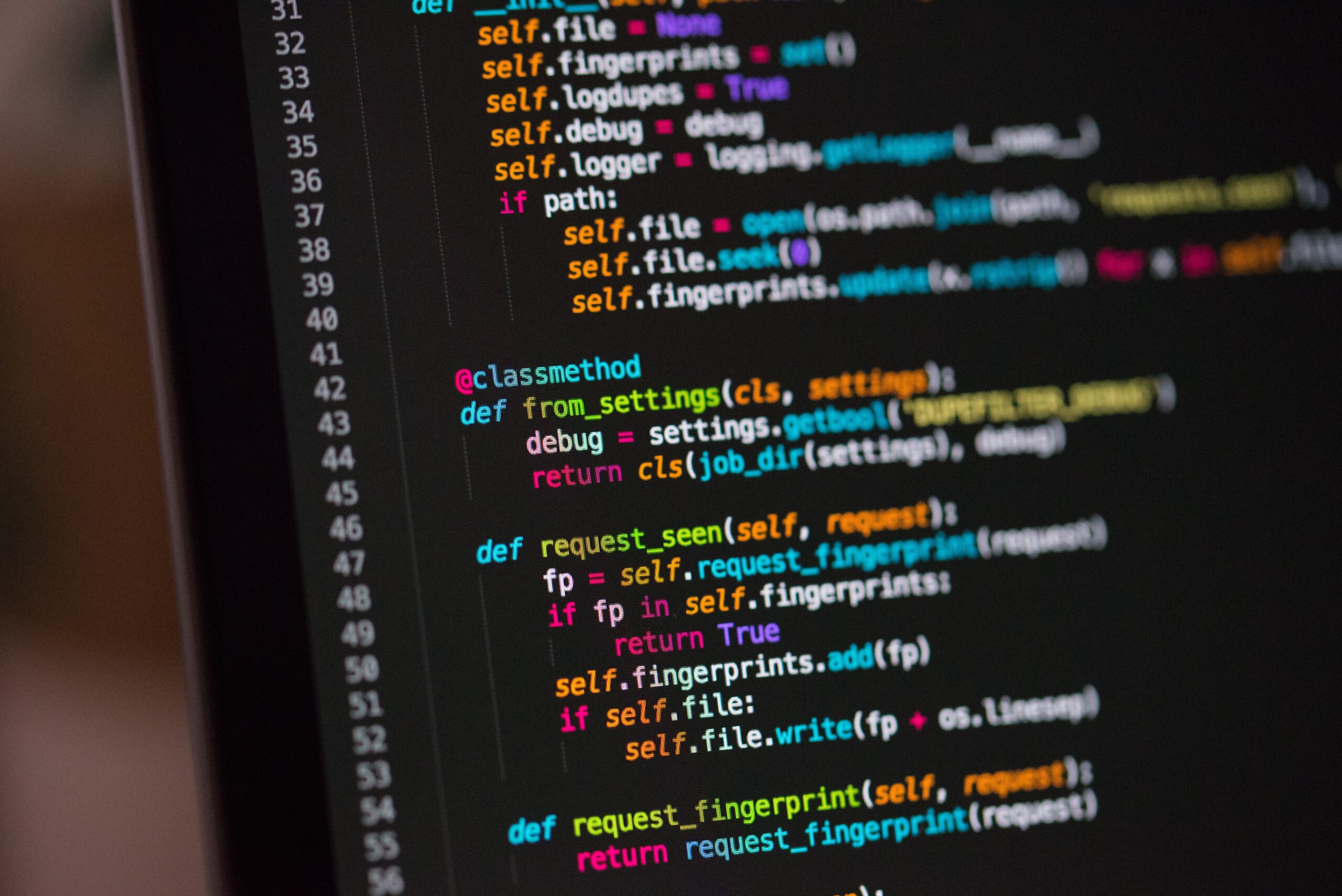
Have you ever wondered why everywhere you turn, people keep saying you should learn to code? Maybe it feels like one of those overhyped trends—like sourdough bread during lockdown or that fitness app you downloaded but never opened. But let’s be real: coding isn’t just hype. It’s shaping the way our world works, from the phone in your hand to the apps that order your late-night pizza.
And here’s the kicker: it’s not nearly as impossible as people think.
The Background: From “Nerdy” to Necessary
Not too long ago, coding was seen as this secret language reserved for hoodie-wearing geniuses tapping away in dark rooms. Hollywood didn’t help—every hacker scene made it look like rocket science mixed with magic. But times have changed.
Now, everyone from entrepreneurs to high school students is jumping in. Think about it: when was the last time you went a day without using an app? Behind every one of those apps is a team (sometimes just one person) who decided to learn to code. That’s the power shift—it’s not just about computers, it’s about creativity.
Honestly, it’s kind of wild. What used to be this “nerdy” niche has turned into a superpower. And unlike learning the violin at 30, it’s never too late to start.
The Options: Where Do You Even Begin?
Okay, so let’s say you’re ready to give it a shot. Where do you start? Spoiler: you don’t have to dive into some 1,000-page textbook or enroll in a four-year computer science degree.
Here are a few approachable paths:
- Coding platforms: Websites like Codecademy, freeCodeCamp, or Khan Academy are perfect for dipping your toes in. They’re interactive, bite-sized, and honestly kind of fun.
- YouTube and TikTok: Yep, even short-form content creators are breaking down concepts. Don’t underestimate those quick tutorials—they’re lifesavers.
- Bootcamps: If you’re serious, coding bootcamps can fast-track you in months instead of years. Think of it as a crash course, but with community and structure.
- DIY projects: Build something silly—a to-do list app, a personal website, even a random meme generator. It doesn’t have to change the world. The key is doing.
Here’s a little secret: nobody learns to code by just reading. They learn by messing up, Googling the error, trying again, and high-fiving themselves when it finally works.
The Local Angle: Why It Feels Relevant Everywhere
Here’s the funny part—you don’t have to live in Silicon Valley to make this skill count. In fact, some of the coolest coding communities are popping up in unexpected places.
Take small towns where startups are launching remote-first businesses. Or schools in countries where kids are learning Python before they hit high school. The demand for people who can code isn’t tied to geography anymore. It’s tied to creativity, problem-solving, and willingness to learn.
And let’s face it: coding also gives you that slight bragging right. When someone at dinner says, “Yeah, I built this little app on the side,” it hits differently.
The Process: How It Actually Works
Alright, let’s cut through the noise. If you’re wondering how learning to code works in real life, here’s the casual breakdown:
- Pick a language – Start simple. Python is the friendly kid at the party. JavaScript is the social butterfly that runs the web. Don’t overthink it.
- Set a micro-goal – Instead of saying, “I’ll build the next Facebook,” say, “I’ll make a calculator that adds two numbers.” Small wins feel great.
- Break stuff – Seriously, you will break your code. That’s good. Every error is a free lesson.
- Google everything – Stack Overflow and Reddit threads will become your new best friends. No shame in copy-pasting solutions at the start.
- Share your work – Put it on GitHub, show a friend, or tweet about it. Half the fun is telling people you actually built something.
See? It’s not about mastering some abstract skill. It’s about tiny steps, each one a little less intimidating than the last.
Wrapping It Up
At the end of the day, deciding to learn to code isn’t just about computers—it’s about giving yourself a tool to shape your ideas into something real. Whether that’s building an app, automating a boring task, or just flexing your new skill, it opens doors you didn’t even know were there.