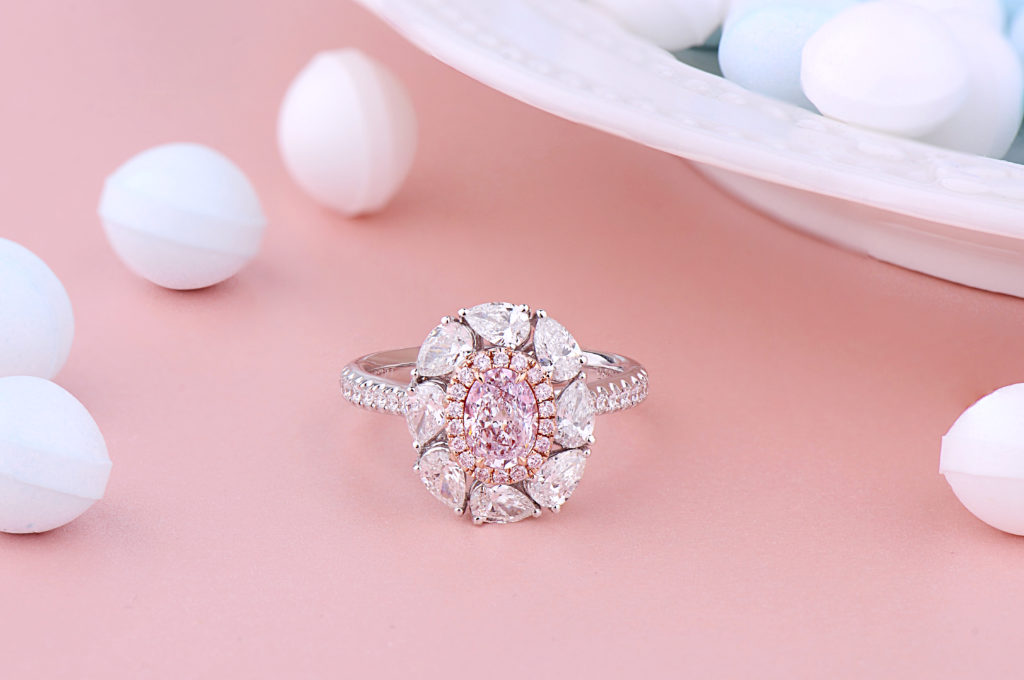
Understanding Lab Made Diamonds Before You Buy
Choosing an engagement ring often white gold engagement rings. For many buyers today the decision is no longer limited to mined diamonds. New technology has created another option that offers the same appearance and structure while giving buyers more flexibility. Lab made diamonds have become a common choice for people who want a genuine diamond without some of the limitations associated with traditional mining. Before you spend your money it helps to understand what they are how they are created and what factors matter most when comparing options.
What They Actually Are
A diamond grown in a laboratory is not an imitation stone. It is a real diamond made from carbon and developed under controlled conditions that recreate the environment where natural diamonds form. The result is a stone with the same physical and chemical properties as a mined diamond. It has the same hardness brilliance and crystal structure. When viewed without specialized equipment even trained professionals cannot reliably tell the difference between a mined diamond and one produced in a laboratory. This distinction is important because many buyers confuse laboratory-grown diamonds with diamond simulants such as cubic zirconia or moissanite. Those stones may resemble diamonds but they are different materials with different properties.
How They Are Created
There are two primary methods used to grow diamonds.
- High Pressure High Temperature (HPHT)
- Chemical Vapor Deposition (CVD)
Both methods start with a small diamond seed. Carbon atoms attach to this seed over time and gradually form a larger crystal. The process may sound complex but the goal is straightforward. Manufacturers create conditions that allow carbon to grow into a diamond crystal instead of waiting for geological processes that take millions of years. The finished stones are cut polished and graded in much the same way as mined diamonds.
Why Buyers Are Choosing Them
One of the biggest reasons people consider lab made diamonds is value. A buyer can often purchase a larger stone or a higher quality grade for the same budget. This creates more flexibility when balancing size clarity color and cut. For example: A budget that might buy a one-carat mined diamond could potentially purchase a larger laboratory-grown diamond with similar visual quality. For many people that difference has a direct impact on the final ring design.
More Options Within Budget
Budget limitations often force compromises. You may need to accept lower clarity a smaller carat weight or a lower color grade. Because laboratory-grown stones generally cost less buyers often gain access to options that would otherwise be outside their price range. This can be especially useful when shopping for:
- Halo engagement rings
- Three-stone designs
- Large solitaire rings
- Custom jewelry projects
What Determines Quality
The same factors used to evaluate mined diamonds also apply here. These are commonly known as the Four Cs.
Cut
Cut has the greatest impact on appearance. A well-cut diamond reflects light efficiently and creates more sparkle.
Color
Color grades measure how much color is present in a diamond. Stones closer to colorless grades are typically more desirable.
Clarity
Clarity refers to internal and external characteristics. Fewer visible inclusions generally result in higher grades.
Carat Weight
Carat measures weight rather than physical size. Larger diamonds usually command higher prices. When comparing stones do not focus on only one factor. A balanced combination often produces the best overall appearance.
The Importance of Certification
Certification provides an independent evaluation of a diamond’s quality. A grading report helps confirm important details such as:
- Carat weight
- Cut grade
- Color grade
- Clarity grade
- Measurements
Before making a purchase review the grading report carefully. Reputable sellers provide transparent information and make certification readily available. A certificate allows you to compare stones more accurately and reduces uncertainty during the buying process.
Comparing Appearance in Real Life
Many buyers want to know whether people can tell the difference. In normal daily wear the answer is generally no. A properly cut laboratory-grown diamond reflects light the same way as a mined diamond. It displays similar brilliance fire and scintillation. What most people notice first is not the origin of the stone. They notice its overall quality and how well it is cut. For that reason focusing on visual performance often provides greater value than focusing solely on origin.
Choosing the Right Ring Setting
The setting influences both appearance and practicality. A larger diamond may look impressive but the setting determines how securely and comfortably it can be worn. Popular choices include:
- Solitaire settings for a clean classic look
- Halo settings that emphasize the center stone
- Three-stone designs with added symbolism
- Hidden halo settings for subtle detail
Consider your daily routine before choosing a design. Someone with an active lifestyle may prefer a lower-profile setting that reduces the chance of snagging or impact.
Maintenance and Long-Term Care
Diamonds remain one of the hardest materials available but they still require care. Regular cleaning helps maintain brightness and sparkle. Simple maintenance habits include:
- Cleaning jewelry with mild soap and warm water
- Using a soft brush for difficult areas
- Removing rings during heavy manual work
- Scheduling periodic inspections for prongs and settings
These steps help preserve both the diamond and the ring itself.
Questions Worth Asking Before Purchase
Before selecting a diamond ask a few practical questions. What matters most to you? Is size the priority? Do you prefer higher clarity? Would you rather maximize sparkle through a superior cut grade? Clear answers help narrow your options and prevent overspending on features that may not matter to you personally. A thoughtful purchase starts with understanding your priorities rather than chasing specifications alone.
Frequently Asked Questions
Are lab made diamonds real diamonds?
Yes. They have the same chemical composition crystal structure and physical properties as mined diamonds.
Do laboratory-grown diamonds sparkle like mined diamonds?
Yes. Their sparkle depends primarily on cut quality rather than origin.
Can a laboratory-grown diamond be certified?
Yes. Many are graded by recognized gemological laboratories that evaluate cut color clarity and carat weight.