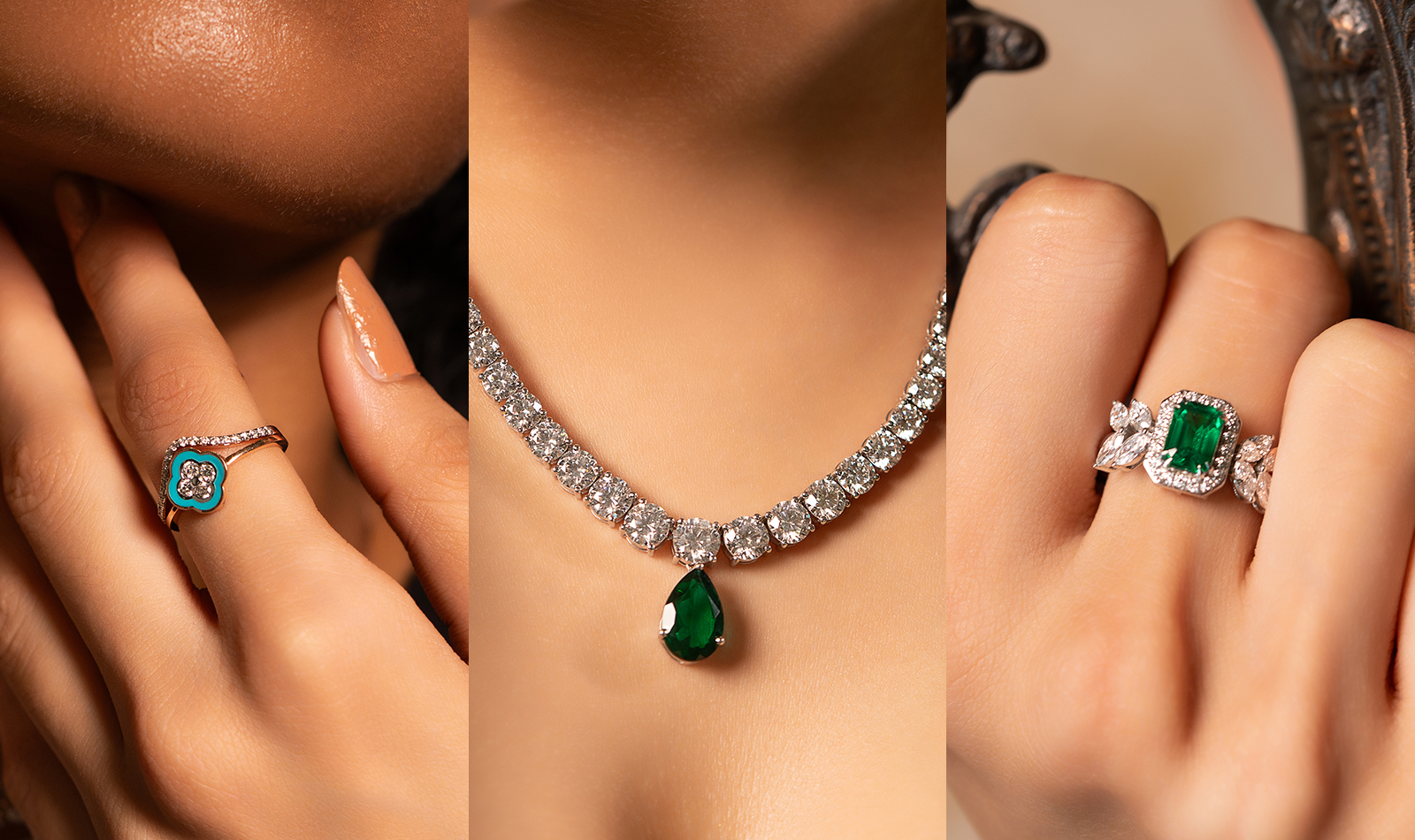
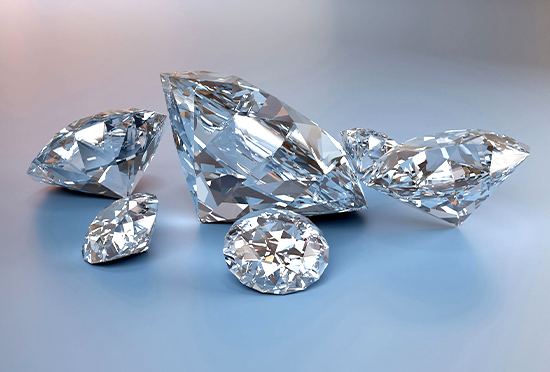
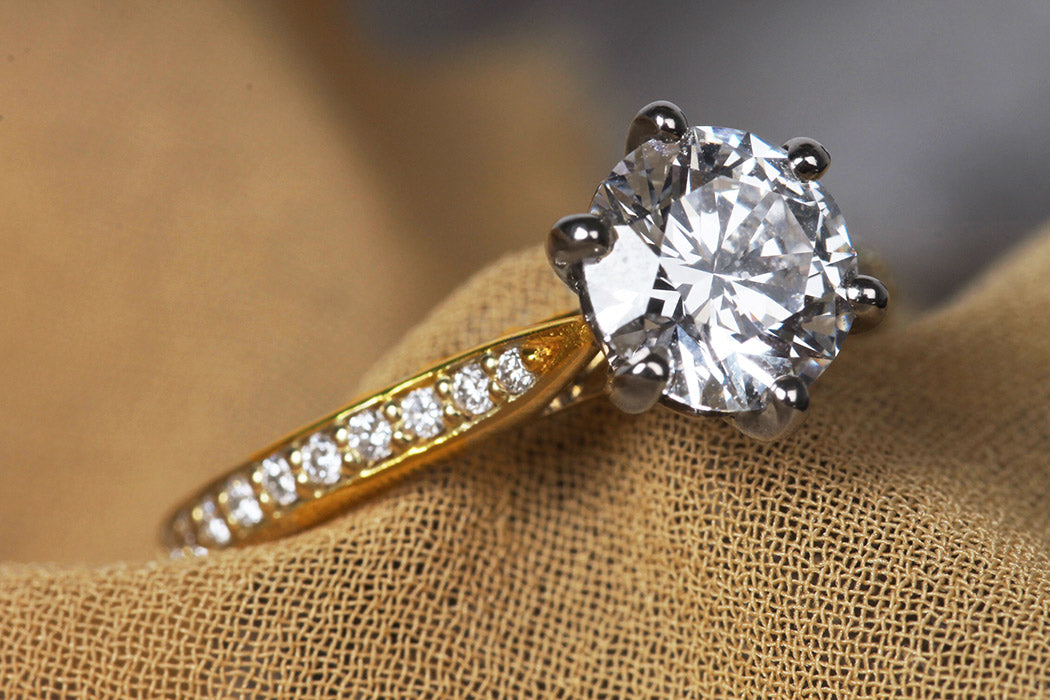
Well, here’s a fun twist. I’ve spent more than a decade around jewellery counters, back rooms, workshops, and trade shows, and I still get a kick out of how quickly the diamond world keeps reinventing itself. You’d think after thousands of years of humans obsessing over shiny rocks, we’d have exhausted the topic. But no. The conversation has never been more fascinating, especially now that lab diamonds HPHT have become a serious contender in both the engagement ring market and the wider jewellery scene.
If you’re curious about what HPHT actually means, why it matters, or whether these stones are really as good as the natural stuff, settle in. I’ll walk you through what’s really happening behind the sparkle, the hype, and the science, all from the perspective of someone who’s handled more diamonds than I’d care to admit.
The changing vibe around diamonds
A few years ago, people still whispered about lab-grown stones as if they were some kind of taboo alternative. Today, the mood has swung dramatically. Customers walk in and ask for lab-grown with complete confidence. Some even prefer them, not for budget reasons but because they genuinely like knowing exactly where their diamond came from.
What surprised me most was how many old-school jewellers have slowly changed their tune. Many used to push natural diamonds like gospel, but once they actually studied the structure, clarity, and performance of HPHT stones, they stopped dismissing them. Honestly, once you put an HPHT stone next to an earth-mined diamond of the same cut and clarity, even trained eyes need magnification to tell which is which.
HPHT in real language: how these diamonds actually form
HPHT stands for High Pressure High Temperature, which sounds like someone wanted the acronym to do all the heavy lifting. In reality, it’s simply a way of recreating the environment that forms natural diamonds deep underground.
Here’s the version I tell customers when they don’t feel like sitting through a science lecture: imagine a tiny diamond seed being put under massive pressure and intense heat, kind of like how the earth cooks diamonds in the mantle but in a much more controlled way. Over time, carbon attaches itself to that seed, crystallises, and grows. The result is a diamond that’s chemically, physically, and visually identical to a mined diamond.
No simulants, no “fake stones,” none of that. Just diamonds grown above ground instead of below.
If you want a deeper dive without getting lost in jargon, this explainer on lab diamonds hpht actually does a nice job of breaking down the differences between HPHT and CVD.
The real differences between HPHT and natural diamonds
People sometimes assume that “lab-grown” means “lower quality,” but that’s not remotely true. In fact, many HPHT stones look cleaner than their natural counterparts.
A few reasons why:
• Nature is messy. Underground, diamonds form with inclusions caused by minerals, pressure shifts, and geological chaos.
• HPHT labs can tweak temperature or pressure to improve clarity.
• Colour control is much easier above ground.
That said, HPHT diamonds aren’t flawless by default. They still develop tiny metallic inclusions from their growth chamber. As a jeweller, I’ll tell you that you can sometimes pick up on the metallic signature under a loupe, but most consumers never notice, nor do they need to.
Visually, they’re stunning. Sparkle, fire, brilliance — all the things you want in a diamond — they deliver.
But what about durability?
This question comes up a lot, usually from people who remember those old cubic zirconia ads from the 90s. “Will it scratch? Will it cloud? Will it last?” The short answer is yes, yes, and yes.
HPHT diamonds have the same hardness rating as natural diamonds. They don’t discolour. They don’t wear down. They don’t suddenly lose their shine after a holiday at the beach. They’re real diamonds, just with a different origin story.
The ethical and environmental angles
Here’s where things get sticky. Some brands oversell the eco angle. Are lab diamonds better for the environment? Often, but not always. It depends on the energy source the lab uses. Some countries power diamond labs with hydro or solar; others still rely on fossil fuels.
On the ethics front, though, HPHT diamonds shine bright. They’re conflict-free, fully traceable, and transparent right from the start. For younger buyers, especially here in Australia, that matters a lot. People want to know what they’re supporting with their money.
Why HPHT diamonds have become the go-to for certain styles
There’s a growing trend toward bold, creative engagement rings. Pear cuts with halos, big emerald-cut solitaires, three-stone modern classics, you name it. People are less shy about size than they used to be, and HPHT stones make it possible to choose a large, high-quality diamond without blowing out a year’s salary.
I’ve had customers tell me, “I want something that feels like me, not something I feel pressured into,” and HPHT diamonds have opened up that freedom. Couples are choosing styles based on aesthetics instead of price ceilings.
If you’re exploring rings based on fashion preferences, I found this piece on man made diamonds surprisingly spot-on.
HPHT diamonds from a jeweller’s perspective
Let me be candid: working with HPHT diamonds in the workshop feels almost identical to working with mined diamonds. The cutting, polishing, and setting techniques are the same. They behave the same under tools, and they hold up brilliantly in more complex designs like tension settings or fine pavé.
The only difference is how relieved couples look when they realise they can get a gorgeous stone without adding pressure to their finances.
One customer put it perfectly: “I don’t want my partner to start our life together stressed about a ring.” Honestly, that sentiment comes up more often than you’d think.
Investment value — should you think about resale?
There’s a misconception that natural diamonds “hold value” while lab-grown don’t. In reality, the resale market for both lab-grown and mined diamonds isn’t great unless you’re dealing with rare collector pieces.
People don’t buy engagement rings as investments. They buy them because they mean something. If you want an investment, buy gold. Rings are emotional purchases, symbolic purchases, aesthetic purchases — not financial instruments.
The silver lining? HPHT diamonds free you from the pressure of overthinking long-term value. You can simply choose the stone you love.
How to choose a good HPHT diamond
A couple of tips I usually share with customers:
• Prioritise cut. It affects the sparkle more than any other factor.
• Don’t obsess over microscopic inclusions. You’ll never see them.
• Look at the diamond in different lights if you can.
• Choose a jeweller who’s transparent about origin.
• Certificates matter, but don’t get lost in the weeds.
You don’t need to be a gemmologist. Trust your eyes. A diamond that makes you pause and smile for a second is usually the right one.
The future of HPHT diamonds
I’ll make a small prediction. In the next 5 to 10 years, HPHT diamonds will become completely mainstream, especially in countries like Australia where buyers are practical, conscious, and curious. Natural diamonds won’t disappear — they still hold sentimental and historical appeal — but the market is definitely shifting.
HPHT technology keeps improving, and each year the stones get more consistent, more beautiful, and more accessible. It feels similar to the shift toward electric cars: not everyone was convinced at first, but once the benefits became clear, people started adopting them naturally, without fuss.
A personal note to wrap things up
After hundreds of conversations with couples, designers, and fellow jewellers, I’ve noticed that diamonds are becoming less about status and more about storytelling. Whether a stone came from deep underground or from a high-tech lab, what matters most is the meaning people attach to it.
HPHT diamonds are giving modern buyers the freedom to choose stones that fit their values, their style, and their budget without sacrificing beauty. And honestly, I love that shift. It makes the jewellery world feel fresher, more thoughtful, and more accessible.
If you’re considering lab diamonds HPHT for a ring or a special piece, trust your instincts. Explore both natural and lab-grown options. Hold them in your hand. See which one feels right for your story.