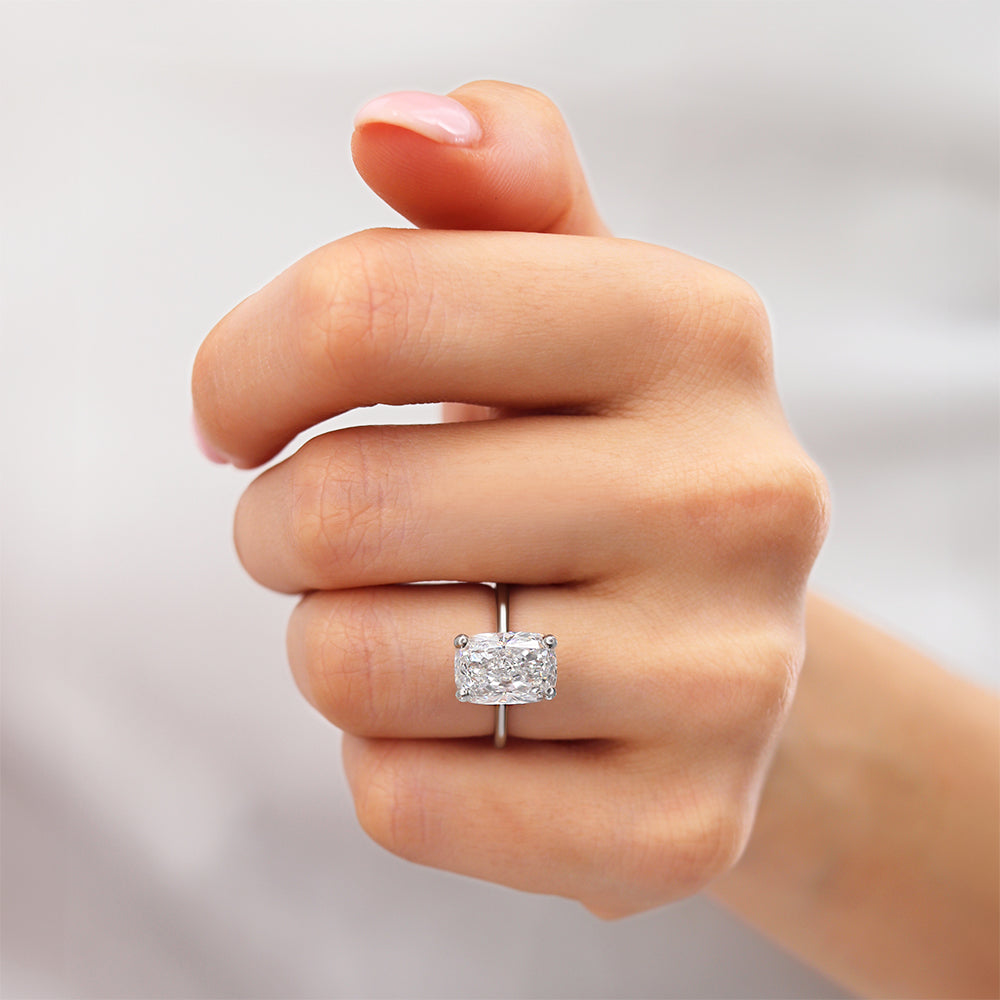
Rise of Lab Grown Diamonds
Reading up on Novita lab diamonds? That’s just one piece of a much larger change sweeping through the industry. What happens inside those labs might surprise you. Real questions come up – do they match mined stones. Cost plays a role too, obviously. These gems form in weeks, not millennia. Truth is, they’re identical down to the atomic level. Forget fakes – they aren’t pretending to be anything. Not cubic zirconia. These are actual diamonds, grown in labs rather than pulled from the earth. Origin sets them apart. Their makeup matches exactly. Deep underground, natural diamonds take shape through intense heat and pressure across eons. In contrast, lab versions emerge using high tech methods that copy those extreme settings. A single fact stands clear – it matches the original stone completely, down to its makeup and behavior. When looking at options, real information matters more than catchy phrases ever could.
Lab Grown Diamonds How They Are Created
Few ways exist for making diamonds without mining them. One approach builds tiny stones using intense heat, another shapes gems by stacking carbon atoms slowly.
- High Pressure High Temperature
- Chemical Vapor Deposition
Beneath the surface, deep underground forces shape what happens in labs too. Inside a pressurized chamber, a tiny diamond fragment sits surrounded by pure carbon. When extreme heat joins crushing force, atoms begin to shift and stick. Slowly, layer after layer, a lattice grows around the original piece. Another method skips heavy compression entirely. Instead, gas takes center stage – carbon loaded vapor wraps the seed like fog. Heat pulls carbon apart, making it settle on a base one slice at a time. One way or another, actual diamonds come out. Either route can yield gems good enough for wedding bands or fancy pieces. Ask about papers, get analysis from known testing centers. Same rules apply here as they do for earth-dug ones.
Buyers Notice What’s Happening
A number shows up when comparing costs. These stones Novita lab diamonds the story often come with lower price tags compared to natural ones that match in size and clarity. Sometimes the gap hits between twenty and forty points, shifting with what buyers want right now. When money needs careful handling, that detail plays a role. A bigger rock could be your pick. Maybe a better clarity fits instead, keeping price steady. Clear records matter too. Hunting down Novita lab diamonds means digging into history. Origin becomes key when decisions take shape. Traceability gets simpler, thanks to fewer steps from creation to hand. Still, worries remain. Yet it makes things easier.
Important Aspects to Know
Laboratory-made diamonds get rated just like natural ones – cut, clarity, color, then carat weight. One follows the next without skipping a step. These traits stack up equally whether mined or made. Each C holds its ground when sizing up a stone. Evaluation stays consistent through every lens. Nothing shifts just because it came from a lab.
Cut
Light dances differently based on the diamond’s shaping. When the angles work right, brightness leaps out. Even top color and clearness can’t fix a flat glow from bad cuts. This part matters too much to skip.
Color
Starting at D, shades grow gradually warmer. Think of it like sunlight fading by afternoon. A hint of yellow shows up later in the range. Choose higher grades when pairing with cool metals. Whiter settings highlight even slight tones. Near-colorless keeps things crisp. Lower letters mean more warmth becomes visible.
Clarity
What’s inside or on the surface tells you about clarity. Tiny features usually hide deep within. Without help, your eyes might miss them completely. A step down from flawless can still look great up close. Cost dips but appearance stays strong around VS1 and VS2.
Carat
A single carat tells you about mass, never spread across fingers. Because a finely shaped one-carat sparkler might look bigger than a heavy but dull-cut match. See it yourself somehow – photos help – if you plan to say yes.
Common Misunderstandings
Not everyone gets lab grown gems. These stones aren’t imitation. A common worry? That they won’t last. Actually, they hold up fine. Their hardness matches natural diamonds – both hit 10 on the Mohs scale. Another idea floating around: you can always sell them later. Reality check – value isn’t locked in. What a diamond fetches later ties to what buyers want, who made it, and how worn it looks. Most diamonds fail as investments if the resale world stays unclear. Doubt fades when things are transparent. Stories from brands stick around because they explain what numbers cannot.
What a brand story should tell you
Start with what matters most when diving into Novita lab diamonds – the real details behind the claims. Questions need straight replies, nothing vague or stretched out. Each fact stands on its own, not hidden beneath promises. The truth shows up in how things work, not just how they sound. Look closely. Answers reveal themselves slowly, like light through glass.
- How are the diamonds sourced and produced
- What grading reports are provided
- How does returning items work?
- What warranty or aftercare is included
What makes a story powerful isn’t dramatic words. Clarity in how things work matters more. Take a company that names its factories and shares audit IDs – this reveals organization. When another sticks to glossy photos without facts, curiosity becomes necessary. Knowing what lies behind your buying choice holds value.
Choosing a diamond that fits your needs
Picture how much you can spend. Stick to that amount without wavering. Think about what catches your eye first – bigger size, bright shine, or clean details inside. Say brilliance stands out to you; go for top-tier cut quality while allowing minor flaws others might miss. Suppose perfect inner structure means more; aim high on purity but accept a smaller stone. Let priorities shape each choice, not trends. Start by pairing the gemstone with its mount. Though small, a ring of surrounding stones gives illusion of size. What stands alone draws attention straight to sparkle and clarity. Perfection in each trait matters less than how traits work together. Balance wins where extremes fail.
Environmental and Ethical Questions
Some shoppers care about how things affect nature. Instead of digging deep, lab stones usually disturb less ground. Even so their making takes power to run machines. That footprint shifts based on what fuels the building where they’re made. When picking based on sustainability, dig into details. Ask about the lab’s location instead of assuming. How power gets supplied plays a role – find out what fuels operations. Independent checks offer clarity, so request those reports. Vague promises carry less weight when facts sit available.
Certification and Documentation
A paper trail matters every time. Trusted gems come with analysis from neutral labs. That certificate lists size, how it was cut, its shade, purity level, plus a special ID code. Check that code online through the lab’s site directly. Hesitate when sellers skip these details. Proof keeps your interests safe.
Lab Grown Versus Mined Diamonds
Look at them closely, no one can tell them apart. Same shape, same build, just the same. Where they come from sets them apart, also what they cost. For some, having a stone pulled from the earth feels right. Others care less about digging deep, more about clear records and lower prices. Whatever works depends on what matters most to you. Right choices follow from personal weight, lab grown diamonds .
Making a Confident Decision
Looking deep builds confidence. The grading report holds facts – read it closely. Questions about making? Raise them. Prices differ between shops, so check more than one. Return rules matter; go through each carefully. Exploring what lies behind Novita lab diamonds fits right into gathering insights. How a company tells its tale reveals behavior. Trust grows when actions match words. A stone like this isn’t just bought – it carries meaning. Something happens, a moment shifts, life changes direction. This choice? It stands for something steady, real. Know what it means before moving forward.
FAQ
Are lab grown diamonds real diamonds?
Right. Same makeup, just born in different places. Hardness matches natural ones perfectly. Created deep underground or inside machines – that part changes. Everything else stays identical.
Lab created stones hold up just like natural ones over time.
Fine for daily use, they hold up just the same. One lasts like the other when worn often.
Is it possible to spot the contrast using just your eyes?
Wrong. Experts rely on high-tech gear to trace where gems come from. They appear identical when seen up close. Still.