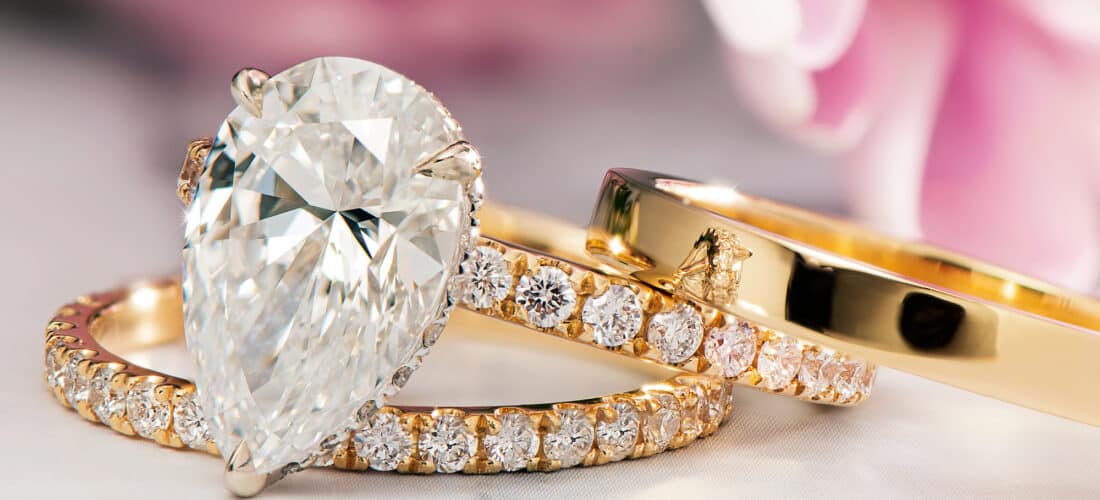
What You Need to Know About Lab Created Diamonds
You may see more talk about stones made in controlled environments. Many buyers want clarity on how these stones compare to mined ones and how to judge them with confidence. This guide gives you direct and practical insight so you can make a smart choice without noise.
How Lab Creation Works
Lab creation uses heat and pressure or a high energy vapor process to grow a real diamond. The goal is not imitation. The goal is to recreate the same structure seen in mined stones. The result holds the same hardness, brilliance, and grading factors.
Think moissanite vs diamond, It is grown in another place but remains the same fruit. A lab stone follows this idea. It is shaped by controlled conditions instead of geology.
Why People Look at Lab Options
Your needs may be simple. You want a stone that looks good, works with your budget, and feels sound. Lab options give you predictable quality. They also give you clarity on the origin of the stone.
- You know how it was grown
- You know the conditions that shaped it
- You know the grading applies to the same factors used for mined stones
Example
If you want a bright one carat stone without surprise flaws, you can review lab stones with detailed specs before you buy.
How Lab Stones Compare to Mined Stones
From a physical view both stones have the same hardness. Both score a ten on the Mohs scale. Both reflect and bend light in the same way. Both are graded by cut, color, clarity, and carat.
The main difference is origin. One comes from the ground. One comes from a lab. Many buyers care about this because origin shapes cost, availability, and predictability.
Appearance
You will not spot the difference with your eye. An expert with advanced tools may be able to tell how it was formed. For your daily wear the look and feel stay the same.
Durability
Both stones handle daily wear well. They resist scratches and hold polish over time. This makes them suitable for rings that stay on your hand for long hours.
Pricing
Lab stones often cost less than mined ones. The lower cost does not mean lower quality. It reflects the stability of lab production. You do not pay for the unpredictable nature of mining. This helps you choose a larger or higher grade stone if that fits your plan.
What to Look For When You Shop
Your best path is to focus on measurable traits. These traits give you control over what you buy.
Cut Quality
Cut affects sparkle more than any other factor. A well cut stone reflects light with strength and balance. Look for a cut grade that shows high precision.
Example
A stone with an excellent cut will look bright even in soft light.
Color
Color ranges from clear to light yellow. A color rating near the top of the scale gives you a crisp look. You choose based on how much warmth you want in the stone.
Clarity
Clarity marks how many internal features exist inside the stone. Many buyers prefer a clarity level where they cannot see features with the naked eye.
Carat
Carat measures weight. It also shapes how the stone spreads across the finger. Choose a balance between size and cut. A well cut stone at a moderate carat can look stronger than a larger poorly cut one.
How Lab Created Diamonds Fit Daily Life
Lab stones work well for daily wear. They stay bright when you wash your hands or move between tasks. Their surface resists marks from common objects like steel, glass, or ceramic. You can clean them with warm water and mild soap. You can use a soft brush to clear buildup from under the setting.
If you want a ring that holds up to a busy day with work, errands, and hobbies, a lab stone will meet that need. It keeps its surface intact over years of use.
When Lab Stones Solve Real Problems
Many people face one or more of these problems when they shop for a stone.
- Unclear pricing
- Uncertain origin
- Limited selection
- Fear of hidden flaws
Lab stones solve these problems with reliable grading, steady availability, and detailed specs. You can compare many stones with consistent data. You can match your goals with real facts. This reduces guesswork.
How to Decide if a Lab Stone Is Right for You
Start by listing what matters most. You may want size. You may want a bright look. You may want a clear origin story. You may want a predictable price.
Lab created diamonds help when you want control over all these factors. They give you options across many grades. They help you find a stone that matches how you use your ring.
How to Care for Your Stone
Care is simple.
- Clean it with warm water and mild soap
- Use a soft brush to clear the setting
- Store it in a small box or pouch
- Have the setting checked once a year
These habits keep the stone bright and secure.
Examples of Smart Choices
A buyer who wants a bright one carat stone might choose a lab option with an excellent cut and a near colorless rating. They get clarity and sparkle without shifting the budget.
A buyer who wants a larger stone for an anniversary ring may choose a two carat lab stone. They get presence on the hand with strong face up appeal.
In each case the buyer uses data to guide the choice. The stone comes from a controlled process so the buyer can focus on the traits that matter.
The Role of Lab Stones in Modern Jewelry
More people choose stones grown in labs because they align with clear personal goals. They want quality they can confirm. They want stones that fit their budget without hidden tradeoffs. They want a process they can understand.
Lab created diamonds meet these expectations with measurable traits and predictable supply. You can focus on beauty and function rather than uncertainty.
FAQ
Are lab stones real diamonds
Yes. They share the same structure and the same grading factors as mined stones.
Will a lab stone lose its sparkle
No. You can rinse it with warm water and mild soap to keep it bright.
Can experts tell if a stone is lab grown
Yes with advanced tools. Your eye will not see the difference.