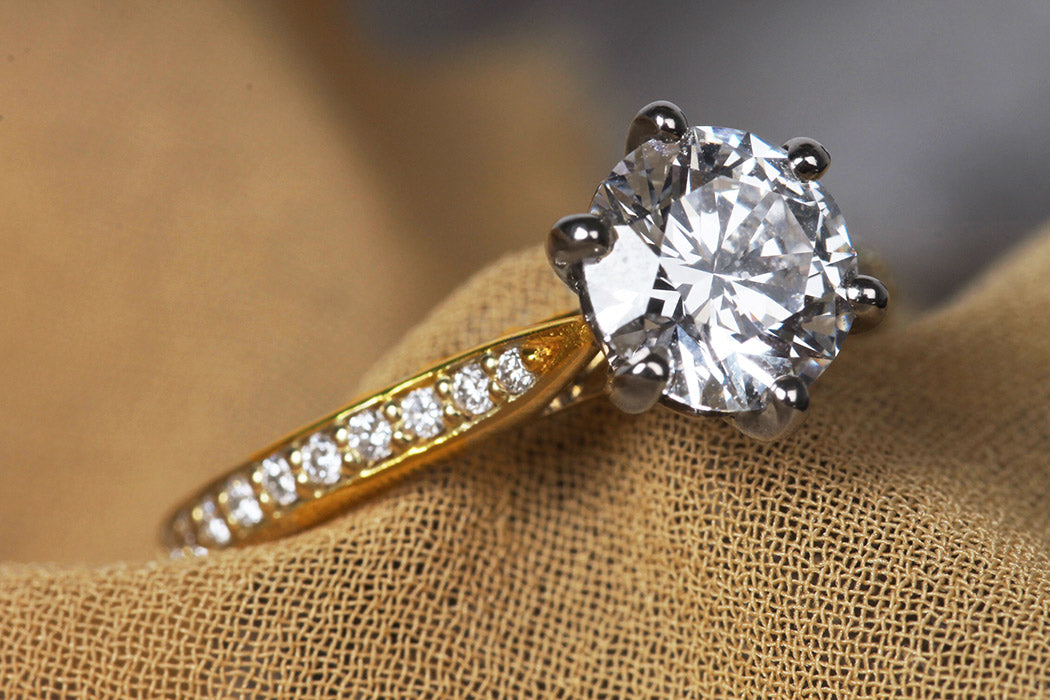
Lately, choices in diamonds have grown quite a bit. A major shift? Lab grown gems taking center stage. Not imitations by any means – actual diamonds formed in labs rather than pulled from deep underground. When picking pieces such as rings or a line of stones set in a bracelet, these provide clearer pricing along with dependable traits. Still, they carry the same sparkle found in traditional ones. Yet clarity matters when choosing. This guide shapes choices simply.
Man Made Diamonds Explained
Underground, real diamonds take shape over time. Labs skip the wait by mimicking that pressure and heat. One way uses a small diamond seed in a chamber filled with carbon gas. Another method crushes carbon under extreme conditions until it hardens into crystal form. Each technique builds atom by atom, just like Earth does slowly
- High Pressure High Temperature
- Chemical Vapor Deposition
Hardness matches when comparing lab stones to earth-mined ones. Glass gets scratched by either type. Real diamond tests accept both without favor. Their makeup stays identical down to the atomic level. Durability does not differ between the two sources.
Buyers Pick This Option
It isn’t merely a rock you’re picking up. Value is what you’re really deciding on. Some go for lab grown stones – reasons differ, but three stand out most. Choices shift when cost, clarity, and conscience come into play instead of tradition. What matters grows beyond origin once people start comparing.
1. Price Control
A bigger stone could fit your price range just fine. Take a lab diamond – clearer, larger, maybe even easier on the wallet than a tiny mined one.
2. Clear Origin
From the start, you can trace every part of your diamond’s origin. Created indoors, it forms through careful control of environment and timing.
3. Modern Buying Mindset
Logic guides your choice. When details like features, cost, things you do with it matter most, that makes sense. People who care about clear reasons tend to pick this way.
Quality Measurement Methods
A fresh look at these stones means seeing them just like mined gems. Still, that familiar grading method applies here instead.
- Cut
- Color
- Clarity
- Carat
Light play, sparkle, and clarity shape a diamond’s look and function.
Cut Matters Most
Light bounces differently based on shape. Brightness jumps when the form works right.
Color and Clarity
A hint of yellow might appear in lower color ratings. What lies inside the stone shapes its clarity grade. Take a VS diamond, for instance – its flaws are tiny. These little features rarely catch the eye.
Are They Actually Real Diamonds
Sure. These gems are actual diamonds. Unlike fake versions made of glass or cubic zirconia, they’re not copies. Created in labs, their inner makeup matches that of earth-mined stones. Telling one from another takes equipment – experts can’t spot the difference by eye alone. A piece such as a tennis bracelet Hong Kong will sparkle just as much. It’ll hold up over time too.
How They Match With Jewelry Options
Picture where you’ll wear it every day. A bracelet or earrings need to last, so tougher materials help. Lower price tags come along too. When saving for later though, choices shift. Real diamonds tend to keep worth when sold again. What you’re after shapes what works best.
How Pricing Works
Something decides every cost. Structure hides behind what things sell for. Lab stones generally sit cheaper than earth-mined versions. Differences swing between thirty per cent and seventy per cent – shaped by how big they are, how clear. Size, sparkle, flaws – these shift the number you see
- Carat weight
- Clarity grade
- Color grade
- Cut quality
A single-carat lab diamond with strong man made diamonds be priced well below a mined stone that looks just like it. Because of this, choices open up.
What To Check Before Buying
Take your time before buying. Look at several important points beforehand.
Certification
Always ask for a grading report from a known lab.
Return Policy
Check whether returns or swaps are possible, just in case.
Setting Quality
A single gem doesn’t tell the whole story. What holds it – shape, structure, material – carries weight just the same. Take a solid tennis bracelet – it clicks shut firmly, stones lined up without gaps or shifts.
Common Misunderstandings
A few people get mixed up about lab grown stones. Knowing this matters.
- Real, these ones. Not pretend at all
- They are not weaker than natural diamonds
- Not every one is perfect all the time
A single diamond differs from the next. Yet quality shifts unpredictably.
How This Relates to Finding Your Jewelry
Looking at your choices in a city such as Hong Kong, you’ll probably weigh how good each piece looks against what it costs. Lab-grown stones shift that balance. They let you get more for what you spend
- Stay within budget
- Choose better specs
- Avoid uncertainty about sourcing
Faster choices come easier when things are clear. Confidence grows without needing to wait.
Choosing Natural When It Matters
Now imagine holding a piece of deep time, forged slowly under Earth’s skin. For some, that weight matters more than anything else. When lasting worth or one-of-a-kind scarcity tops the list, these stones often rise to the front. Others simply like knowing theirs began eons ago, untouched by machines. Choice leans on what each person carries as most real.
Final Buying Approach
Think of it like buying something big. Your wallet sets the limit first. What you need shapes the search next. Look at each choice side by side instead. Pick what matches real data, not guesses. Understanding every part makes it right later.
FAQs
Are lab diamonds good for daily wear
Fine. These match real diamonds in toughness, making them solid choices for everyday wear.
Might their worth fade as days go by
Most people pay less when selling these later than they would with real diamonds. Choose them because you want to wear them, not grow wealth.
Without gadgets, do you spot what sets them apart? Maybe it’s harder than expected
Not really. The truth is, most folks won’t notice just from a glance.